





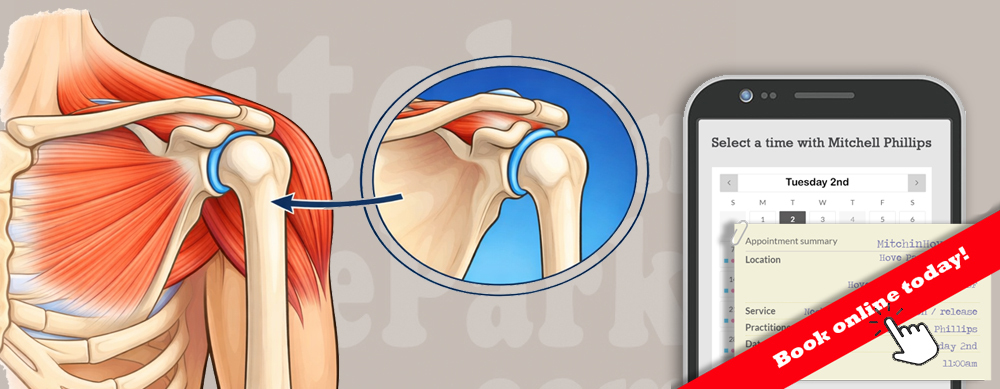
Rotator Cuff Shoulder Pain, Diagnosis & Treatment
Shoulder pain can be frustrating, especially when it starts to affect simple movements like reaching, lifting, or even sleeping comfortably. One of the most common causes is irritation or injury to the rotator cuff, a group of muscles and tendons that stabilise your shoulder and allow smooth movement.
The good news is:
Most shoulder problems can improve significantly with the right approach
What Is Rotator Cuff Pain?
The rotator cuff helps control and support your shoulder joint. When it becomes irritated, overloaded, or weakened, it can lead to:
- Pain in the top or side of the shoulder
- Difficulty lifting your arm
- Weakness or reduced strength
- Discomfort at night or when lying on that side
This type of shoulder pain is extremely common, particularly with:
- Repetitive use
- Gym training
- Manual work
- Sports involving overhead movement
Why It Happens?
In most cases, rotator cuff pain isn’t caused by a single injury. It’s usually a result of:
- Overuse or repetitive strain
- Poor movement patterns
- Weakness or imbalance around the shoulder
Over time, this creates irritation in the tendons and if ignored, it can progress into more persistent pain or even a tear.
What To Do First
- Reduce aggravating movements
Avoid pushing through sharp or worsening pain - Keep the shoulder moving (within comfort)
Complete rest often slows recovery - Use ice if irritated
Helps settle symptoms in the early stages - Get it assessed early
The longer it’s left, the more stubborn it can become
How I Can Help?
Shoulder pain is something I treat regularly, particularly in people who:
- Train in the gym
- Play sport
- Have physically demanding jobs
In clinic, the focus is simple:
- Identify what’s actually driving the pain
- Reduce tension and irritation around the shoulder
- Restore movement and control
- Build strength so it doesn’t return
You’ll also be given simple, targeted exercises that fit into your routine — no overcomplicated rehab.
The Goal
The aim isn’t just to settle your shoulder pain. It’s to:
- Get you moving freely again
- Restore strength and confidence
- Prevent the issue from coming back
If your shoulder pain is limiting your movement or not improving, it’s worth getting it properly assessed before it becomes a longer term issue.
You can view availability and book your appointment online here.